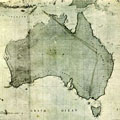
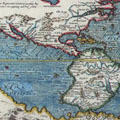
California

  First settlement of the missionaries 
  Population 
  Characteristics of white population 
  Employments 
  Pleasures and amusements 
  Position of women 

A Description of Its Soil, Climate, Productions, and Gold Mines; with the Best Routes and Latest Information for Intending Emigrants. To which is annexed, an Appendix Containing official documents and letters authenticating the accounts of the quantities of gold found, with its actual value ascertained by chemical assay. Also late communications containing accounts of the highest interest and importance from the gold districts.

by Edwin Bryan

1849

The following is an official account of a visit paid to the gold region in July by Colonel Mason, who had been appointed to the military command in California, and made his report to the authorities at Washington. It is dated from head-quarters at Monterey, August 17, 1848.

  Its political and social institutions 
  Colorado River 
  Valley and river of San Joaquin 
  Former government 
  Presidios 
  Missions 
  Ports and commerce.

  Mode of procuring the Gold 
  Extent of Gold Region 
  Price of Provisions.

It will be seen, from the later accounts that each new report continues to realize the wildest expectation. The following letter dated Monterey, November 16th, is highly interesting -

  Coscumne River 
  Mickelemes River 
  Ford of the San Joaquin 
  Extensive plain 
  Tule marshes 
  Large droves of wild horses and elk 

  Outfit, etc., and advice to intending Emigrants.

  Leave the mission 
  Clover 
  Wild mustard 
  A carreta 
  Family travelling 
  Arrive at Pueblo de San Jose 
  Capt. Fisher 

  Periodical winds 
  Dine on board the Portsmouth 
  A supper party on shore 
  Arrival of Commodore Stockton at San Francisco 
  Rumours of rebellion from the south 
  Californian court 

The songs of the Yosemite winds and waterfalls are delightfully enriched with bird song, especially in the nesting time of spring and early summer. The most familiar and best known of all is the common robin, who may be seen every day, hopping about briskly on the meadows and uttering his cheery, enlivening call. The black-headed grosbeak, too, is here, with the Bullock oriole, and western tanager, brown song-sparrow, hermit thrush, the purple finch, - a fine singer, with head and throat of a rosy-red hue, - several species of warblers and vireos, kinglets, flycatchers, etc.

Syndicate content